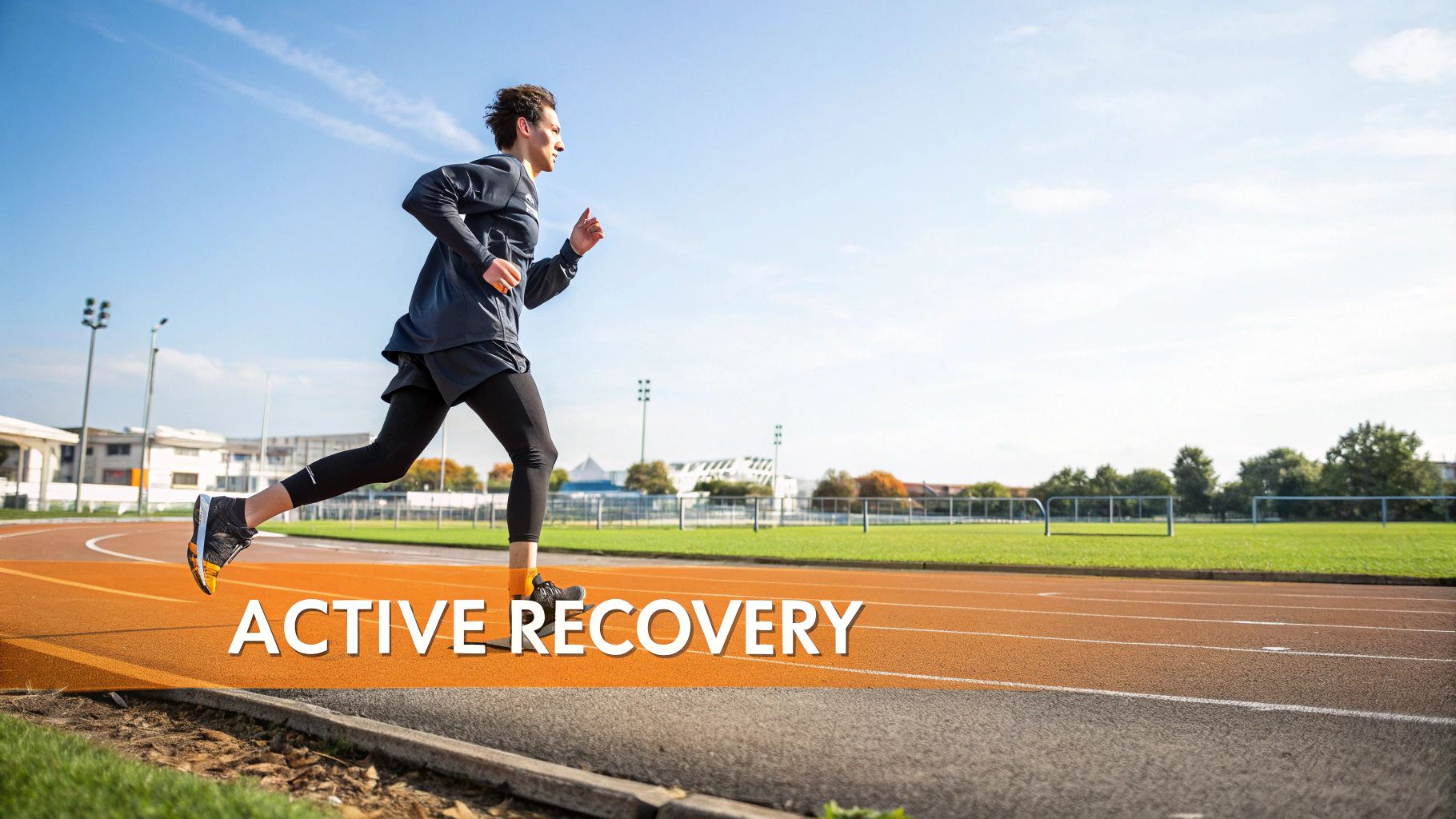
For many people in recovery, sports and competition can feel like a powerful source of motivation. The drive to train harder, improve performance, and stay committed can build confidence and structure during a challenging time. However, there is a fine line between healthy competition and compulsive behavior. When athletic drive becomes excessive or emotionally driven, it can interfere with mental health recovery and increase stress rather than reduce it. Understanding this balance is essential for protecting long-term healing while still enjoying the benefits of physical activity.
How Athletic Drive Supports Recovery
Exercise and sports are often recommended in addiction recovery and mental health treatment because they provide both physical and emotional benefits. Regular movement helps regulate mood, reduce anxiety, and improve sleep quality. It also supports brain health by naturally boosting endorphins, which can stabilize emotions during recovery.
In inpatient and outpatient care settings, structured physical activity is often used to help individuals rebuild routine and discipline. Sports can also create opportunities for connection, teamwork, and accountability, all of which are important for long-term recovery success.
When approached with balance, athletic drive can become a meaningful part of a healthy lifestyle.
When Competition Becomes Compulsion
While competition can be motivating, it can also become unhealthy when it shifts from enjoyment to pressure. Compulsive athletic behavior often develops gradually and may be mistaken for dedication or discipline.
Some warning signs include:
- Feeling unable to rest without guilt or anxiety
- Training even when physically exhausted or injured
- Prioritizing competition over therapy, relationships, or recovery work
- Using exercise to escape emotional stress or uncomfortable feelings
- Becoming overly focused on performance outcomes and external validation
When these patterns appear, athletic drive may be acting as a coping mechanism rather than a healthy outlet.
Understanding the Emotional Side of Compulsive Training
Compulsive athletic behavior is often rooted in deeper emotional needs. For some individuals, constant training provides a sense of control during uncertain times. For others, it may replace previous addictive behaviors or serve as a distraction from unresolved emotions.
In recovery, these patterns can become risky. Instead of processing emotions through therapy or support systems, individuals may rely on physical exhaustion or competition to avoid discomfort. Over time, this can increase emotional strain and interfere with healing.
Strategies for Managing Athletic Drive in Recovery
Redefine What Success Means
Shift focus away from winning or performance metrics. Instead, define success as consistency, balance, and emotional well-being. This helps reduce pressure and creates a healthier relationship with sports.
Build Awareness Through Reflection
Take time to reflect on your motivations. Ask whether your training supports your recovery or whether it is being used to avoid emotional challenges. Honest self-awareness is key to maintaining balance.
Prioritize Rest and Recovery Time
Rest is essential for both physical and emotional health. Without it, the body and mind become overwhelmed, increasing the risk of burnout and relapse.
Integrate Mental Health Support
Therapy and counseling provide tools to manage stress, emotions, and underlying triggers. Combining mental health treatment with physical activity ensures a more balanced recovery process.
Use a Holistic Approach to Wellness
Holistic and faith-based treatment approaches focus on healing the whole person. This includes emotional, physical, and spiritual well-being. When athletic activity is part of a broader care plan, it becomes a supportive tool rather than a source of compulsion.
The Role of Balance in Long-Term Recovery
Balance is one of the most important factors in sustainable recovery. Athletic drive does not need to be eliminated. Instead, it needs to be guided and understood. When individuals learn to balance competition with self-care, they gain greater emotional stability and resilience.
Healthy sports participation should enhance recovery, not control it. By creating boundaries, practicing mindfulness, and staying connected to professional support, individuals can enjoy the benefits of athletic engagement without falling into compulsive patterns.
Conclusion
The line between competition and compulsion can be subtle, especially for individuals who are passionate about sports. Recognizing when athletic drive begins to interfere with mental health is an important step in protecting recovery. With the right support, structure, and self-awareness, sports can remain a positive and empowering part of life rather than a source of stress.
If you or someone you care about is navigating addiction recovery or mental health challenges, compassionate and individualized support can make a meaningful difference. Reaching out for help is a strong step toward building a healthier, more balanced future where both recovery and passion can thrive together.