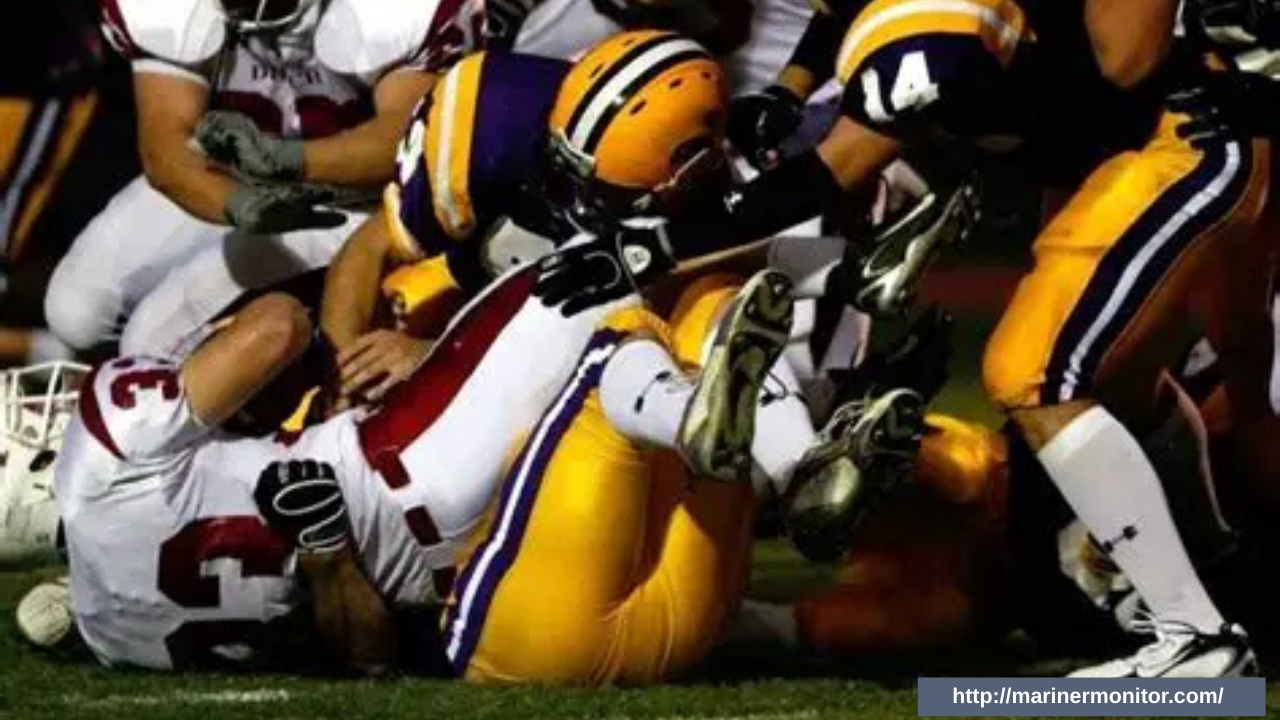
For many people, cheering for a team or athlete is more than just entertainment. It is a way to connect with community, celebrate tradition, and find joy in the thrill of competition. But when devotion to sports grows beyond healthy loyalty, it can cross into dependency. Sports dependency, often overlooked, has the potential to affect mental health, relationships, and overall well-being. Recognizing the signs is the first step toward protecting balance and preventing harmful outcomes.
What Is Sports Dependency?
Sports dependency occurs when a person’s emotional stability and daily life begin to revolve around sports. While passion is normal, dependency is marked by an inability to separate personal identity or happiness from the results of a game or team performance. This dependency can manifest in various ways: compulsively checking scores, prioritizing games over family or work, or experiencing significant distress when a team loses.
The Mental Health Impact of Sports Dependency
Emotional Instability
A key danger of sports dependency is the emotional rollercoaster tied to wins and losses. Excitement from victories may lead to a temporary high, while defeats can trigger irritability, sadness, or even depressive symptoms. Over time, this constant cycle of highs and lows creates strain on mental and emotional health.
Increased Stress and Anxiety
Sports fans who feel they must follow every game, update, or statistic often report heightened stress. The pressure to stay informed and the fear of missing out can lead to anxiety, sleep disruption, and difficulty focusing on non-sports responsibilities.
Overlap with Gambling Behaviors
Sports dependency can also fuel gambling addiction. Betting on games may seem harmless at first but can quickly escalate into financial problems and deeper emotional struggles. This overlap makes it even more important to recognize when passion becomes problematic.
Warning Signs That Loyalty Has Crossed into Dependency
- Spending excessive time watching, analyzing, or discussing sports at the expense of other activities
- Prioritizing games over personal or professional commitments
- Intense mood swings connected to team performance
- Withdrawal from social or family life not related to sports
- Financial strain or risky behaviors tied to betting
Finding Balance and Restoring Well-Being
Healthy fandom enriches life, but when it crosses into dependency, support may be necessary. Setting clear boundaries around time spent on sports, creating new hobbies, and practicing mindfulness can help restore balance. For those who find it difficult to regain control, professional support is an essential step.
At Mariner Monitor, we understand the deep connection people form with sports and the emotional toll dependency can take. Our compassionate team offers inpatient and outpatient programs tailored to the individual, addressing not only the surface behaviors but also the underlying emotional and spiritual needs. Through holistic and faith-based approaches, clients can learn healthier coping strategies, rediscover joy beyond sports, and build stronger relationships.
Taking the First Step Toward Healing
Loyalty to a team should never come at the cost of mental health or personal stability. If your passion for sports has begun to control your emotions, finances, or relationships, it may be time to seek support. At Mariner Monitor, we provide the guidance, tools, and care needed to overcome sports dependency and move toward a balanced, fulfilling life. Reach out today and begin your path to recovery with compassionate professionals who understand your journey.