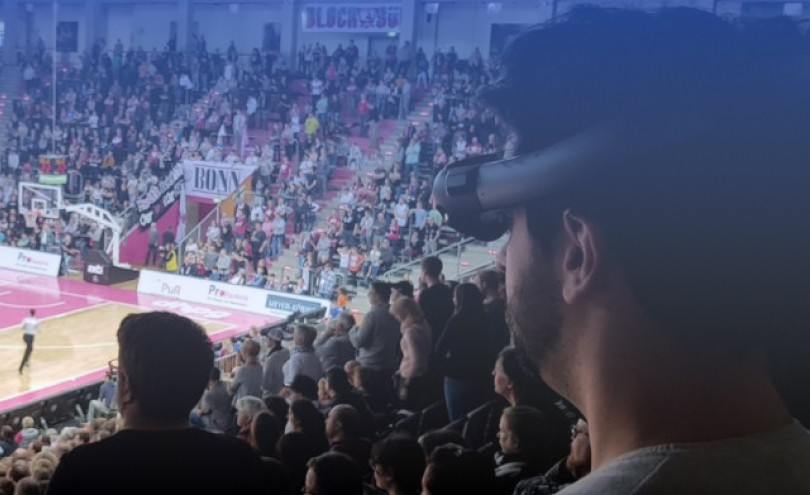
For many people, sports are more than just a form of entertainment. They offer excitement, community, and a sense of identity. Cheering for a favorite team can create shared memories and bring joy to everyday life. However, when fandom turns compulsive, the effects can go far beyond missing a game or two. Obsessive engagement with sports can affect mental health, mood, and overall well-being. Recognizing the signs of compulsive fandom is essential for maintaining balance and emotional resilience.
Understanding Compulsive Sports Fandom
Compulsive sports fandom occurs when the emotional highs and lows of games begin to dictate thoughts, behaviors, and daily routines. Unlike casual enthusiasm, obsessive fandom can interfere with personal responsibilities, relationships, and mental health. Individuals may feel extreme emotional responses to wins and losses, or experience anxiety when unable to follow their team.
The Psychology Behind Obsession
Sports fandom can trigger the brain’s reward system. Moments of victory, suspenseful plays, or dramatic comebacks release dopamine, the brain chemical associated with pleasure and motivation. Over time, some fans become reliant on this “rush” to feel excitement or emotional satisfaction. The desire to chase these highs can create patterns similar to other behavioral addictions, making it difficult to separate personal identity from the outcome of a game.
Signs That Fandom Has Become Compulsive
Emotional Instability
One of the clearest indicators is when mood swings are tied to the performance of a team. Persistent anxiety, frustration, or sadness after losses may suggest emotional dependence on sports outcomes.
Neglecting Responsibilities
Obsessive fandom can interfere with work, school, or family commitments. Missing deadlines, skipping social engagements, or prioritizing games over personal obligations is a sign of imbalance.
Strained Relationships
Loved ones often notice changes first. When sports dominate attention and conversation, relationships can become strained. Isolation may occur as fans spend more time following their teams than connecting with friends or family.
Financial and Lifestyle Risks
Compulsive fans may engage in excessive betting, travel, or merchandise purchases. Poor sleep patterns, skipped meals, or long hours spent online tracking statistics can also take a toll on physical and mental health.
The Mental Health Impact
Chronic obsession with sports can lead to increased stress, anxiety, and emotional exhaustion. Fans may experience burnout, irritability, or difficulty focusing on tasks unrelated to sports. For those with pre-existing mental health conditions, compulsive fandom can exacerbate symptoms, creating a cycle that feels increasingly difficult to manage.
Strategies to Reclaim Balance
Set Healthy Boundaries
Limit the time spent watching games, tracking scores, and engaging in sports-related social media. Scheduling breaks allows the mind to rest and reduces compulsive behavior.
Diversify Interests
Pursuing hobbies, volunteer work, or physical activity provides alternative sources of fulfillment. Broadening engagement outside of sports helps reduce emotional dependency.
Seek Professional Support
At Mariner Monitor, we understand how behavioral addictions like compulsive sports fandom affect the mind and mood. Our programs integrate mental health treatment, holistic approaches, and faith-based support to address both behavioral patterns and emotional needs. Inpatient and outpatient care options are tailored to help clients restore balance, resilience, and well-being.
Taking the First Step
Fandom should enrich life, not control it. If you find that your emotional health, relationships, or daily routines are being disrupted by sports obsession, professional support can make a difference. At Mariner Monitor, we provide compassionate, individualized care designed to help you regain control, rebuild balance, and foster a healthier relationship with the game and with yourself. Reach out today to begin your journey toward recovery and emotional wellness.