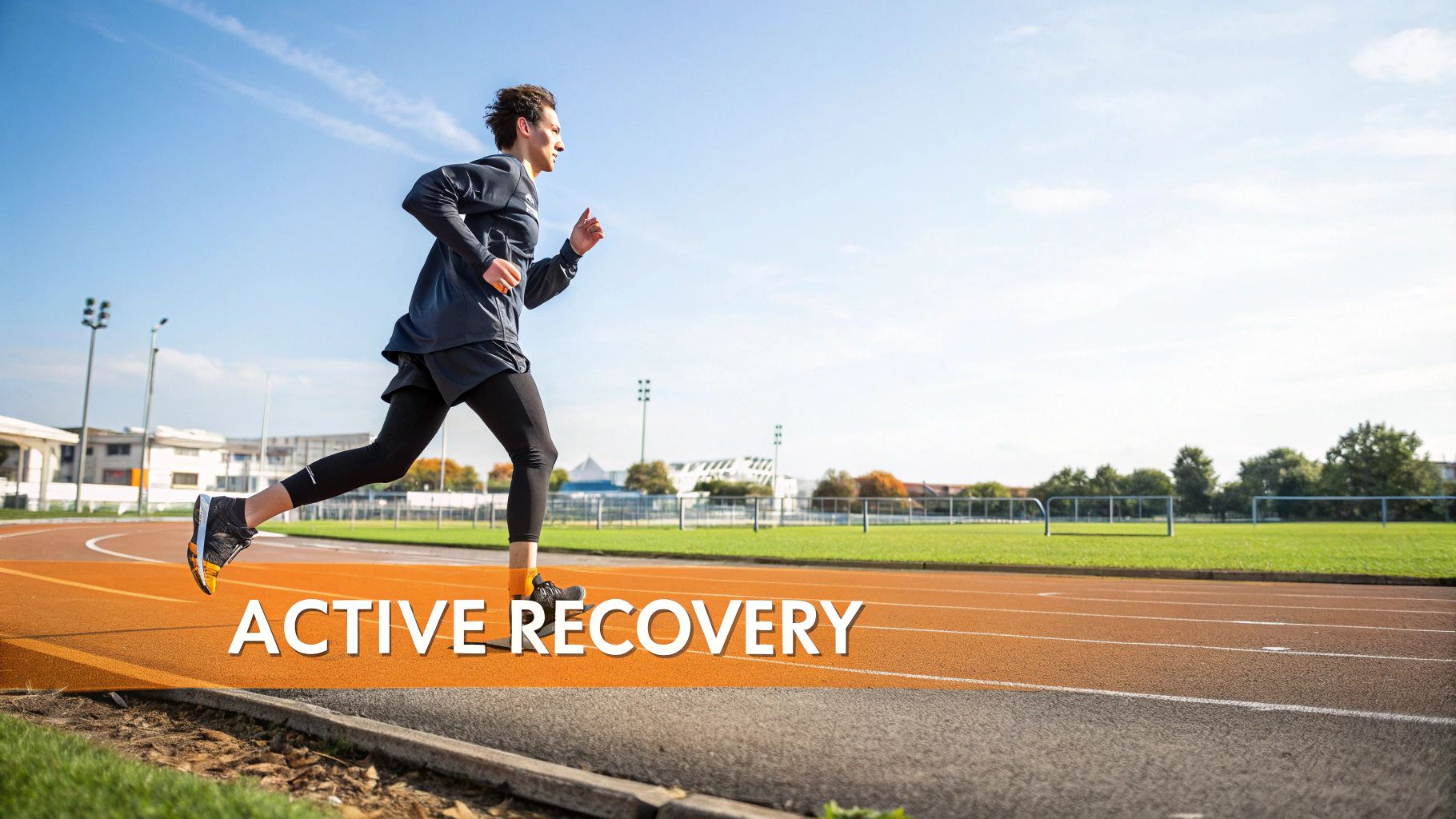
Balancing Fitness Passion and Recovery: Healthy Ways to Stay Active Without Relapse Risks

For individuals in recovery, staying active can be a powerful tool for healing. Exercise improves mood, reduces stress, and supports physical health, all of which play an important role in sustaining long-term recovery. However, an intense focus on fitness can sometimes become a double-edged sword. When exercise starts to feel like a compulsive obligation or a way to mask emotional struggles, it can increase the risk of relapse or interfere with overall well-being. Understanding how to balance fitness passion with recovery is essential for maintaining both physical and mental health.

Understanding the Role of Exercise in Recovery

Exercise is often recommended as part of holistic addiction treatment because it provides numerous benefits:

  • Mood regulation: Physical activity triggers the release of endorphins, which can naturally elevate mood and reduce anxiety.
  • Structure and routine: Regular workouts help establish consistent daily habits, which are important in recovery.
  • Stress management: Exercise can serve as a healthy outlet for tension and stress that might otherwise trigger cravings.
  • Community and support: Group classes or team sports offer opportunities for social connection and accountability.

While these benefits are significant, it is crucial to approach fitness in a balanced and mindful way. Overtraining, obsessive routines, or using exercise to avoid emotional challenges can create new risks that undermine recovery.

Signs Fitness May Be Interfering With Recovery

Even positive habits can become unhealthy when taken to extremes. Some warning signs include:

  • Feeling guilty or anxious when workouts are skipped
  • Prioritizing exercise over therapy, meetings, or relationships
  • Using intense physical activity to numb emotional pain or cravings
  • Experiencing injuries or exhaustion due to overtraining

Recognizing these patterns early allows individuals to take steps to maintain a healthy relationship with fitness while protecting their recovery.

Strategies for Healthy Fitness in Recovery

Set Realistic Goals

Create achievable, flexible fitness goals that focus on overall well-being rather than perfection or competition. Goals should enhance health, not add stress or pressure.

Incorporate Variety

Mix different types of physical activity, including cardiovascular exercise, strength training, yoga, or recreational sports. Variety prevents overuse injuries and keeps workouts engaging and enjoyable.

Prioritize Rest and Recovery

Scheduled rest days are as important as active days. Recovery supports physical healing, mental clarity, and emotional balance, all of which reduce relapse risk.

Stay Mindful and Connected

Pay attention to how your body and mind respond to exercise. Mindfulness practices, journaling, or discussing routines with a counselor can help ensure workouts remain a positive tool rather than a coping mechanism for stress or cravings.

Seek Professional Guidance

Healthcare providers, therapists, and recovery specialists can help tailor a fitness plan that complements your treatment. Holistic programs that integrate exercise with mental health therapy, faith-based support, and individualized care often yield the best results.

The Benefits of a Holistic Approach

At treatment centers that offer holistic and individualized care, exercise is just one component of a broader recovery plan. Combining physical activity with counseling, social support, spiritual guidance, and personalized treatment strategies creates a balanced approach that strengthens both mind and body. This integrated perspective ensures that fitness supports recovery rather than undermining it.

Conclusion

Staying active in recovery is a powerful way to enhance physical health, boost mood, and build resilience. The key is balance. Mindful, structured, and varied exercise routines, paired with rest, professional support, and holistic care, can transform fitness into a source of strength rather than a potential trigger.

If you or a loved one are navigating recovery and want to explore safe and supportive ways to stay active, professional guidance is available. Reach out today to discover how individualized treatment and holistic care can help you maintain a healthy relationship with both fitness and recovery.

When “Sports Obsessed” Becomes a Trigger: How Passion for Competition Can Hide Mental Health Struggles

For many, sports are more than just a pastime. They provide structure, excitement, and a sense of identity. But when a passion for competition becomes all-consuming, it can hide deeper mental health challenges and even interfere with recovery from addiction. Understanding the fine line between healthy enthusiasm and obsession is crucial for anyone navigating mental health or addiction recovery. Recognizing warning signs early can help prevent emotional and physical strain and ensure that sports remain a positive part of your life.

The Hidden Risks of Being “Sports Obsessed”

Being deeply committed to sports can sometimes mask underlying issues. Obsession with athletic achievement, training routines, or constant competition can act as a coping mechanism for anxiety, depression, or past trauma. Individuals may pour all their energy into sports to avoid facing emotional challenges or addictive behaviors. While dedication is often celebrated, it can inadvertently become a trigger for unhealthy patterns, especially when performance pressure outweighs personal well-being.

How Mental Health Struggles Can Be Masked by Sports

Mental health struggles are not always visible, and sports can provide a cover for emotional pain. For example:

  • Anxiety and Perfectionism: Constantly striving to win or achieve peak performance may hide deep-seated anxiety or fear of failure.
  • Depression: Intense focus on athletic goals can serve as a distraction from low mood or feelings of hopelessness.
  • Addictive Behaviors: Overexercising or using sports as an outlet may replace other coping strategies, sometimes coexisting with substance misuse.

Recognizing these connections is vital for anyone in recovery or experiencing mental health challenges. Obsession with sports can act as both a safety net and a barrier to addressing deeper needs.

Signs Your Sports Passion Might Be a Trigger

Not all sports dedication is harmful, but certain behaviors can indicate that passion has crossed into unhealthy territory:

  • Prioritizing training over relationships or responsibilities
  • Feeling intense guilt or anxiety when missing workouts or competitions
  • Using sports to numb emotions or avoid personal challenges
  • Experiencing persistent stress, injuries, or burnout without adequate rest

Awareness of these signs allows individuals to take proactive steps before sports-related obsession negatively affects recovery or mental health.

Strategies for Maintaining Balance

Set Healthy Boundaries

Create clear limits around training, competition, and recovery time. Ensuring balance helps maintain mental, emotional, and physical well-being.

Integrate Mindfulness and Reflection

Practices such as journaling, meditation, or guided therapy can help athletes stay connected to their emotions and recognize early signs of distress.

Seek Professional Support

Mental health professionals and addiction counselors provide individualized guidance to navigate triggers, manage stress, and maintain a healthy relationship with sports.

Use Sports as a Supportive Tool, Not a Shield

When approached mindfully, sports can enhance recovery. Team activities, recreational exercise, and goal-oriented training can improve mood, self-esteem, and physical health without becoming overwhelming.

The Role of Holistic and Individualized Care

Organizations that offer holistic, faith-based, and individualized approaches understand the unique challenges of being “sports obsessed.” Treatment programs that combine therapy, structured routines, physical activity, and spiritual or personal growth strategies can help individuals maintain healthy habits while addressing mental health and addiction concerns.

Conclusion

Being passionate about sports is not inherently harmful. However, when enthusiasm becomes all-consuming, it can hide underlying mental health struggles or trigger addictive behaviors. Recognizing the signs, setting boundaries, and seeking professional support are critical steps for maintaining balance and promoting recovery.

If you or a loved one struggle with mental health challenges, addiction, or sports-related obsession, professional guidance can help transform a passion into a source of healing rather than a hidden trigger. Reach out today to explore individualized support that addresses your mind, body, and spirit.

Caught in the Excitement: Emotional Risks of Sports Addiction

For many fans, sports are more than just games. They are sources of excitement, community, and identity. Cheering for a favorite team can create joy, foster connections, and provide a healthy escape from daily stress. However, when enthusiasm turns into compulsion, it can take a toll on mental and emotional health. Sports addiction is a hidden issue that affects mood, behavior, and overall well-being, often without fans even realizing it. Understanding the emotional risks of excessive fandom is the first step toward maintaining balance and protecting mental health.

What Is Sports Addiction?

Sports addiction is a behavioral pattern where a person’s emotional well-being becomes closely tied to the outcome of games or the performance of a team. Unlike casual fandom, obsessive engagement can interfere with daily responsibilities, relationships, and personal growth. Fans may find themselves chasing the highs of victories and struggling with the lows of defeats, creating cycles of emotional dependency.

How Obsession Forms

The psychology behind sports addiction involves the brain’s reward system. Exciting plays, game-changing moments, and wins release dopamine, the chemical linked to pleasure and motivation. Over time, fans may seek this emotional “high” repeatedly, reinforcing compulsive behaviors. Social factors, such as peer pressure, online discussions, and fan communities, can further intensify this attachment.

Emotional Risks of Compulsive Fandom

Heightened Anxiety

Fans with obsessive tendencies may experience constant worry about upcoming games or results. Anxiety can arise not only during matches but also in anticipation of events, affecting concentration and daily functioning.

Emotional Volatility

Extreme highs and lows are common. Victories may trigger euphoria, while losses can lead to irritability, sadness, or anger. These mood swings can become disruptive to both personal and professional life.

Strained Relationships

Compulsive fandom can lead to conflicts with family, friends, or partners. Prioritizing games over relationships may result in social isolation or tension, leaving fans feeling disconnected from those around them.

Burnout and Fatigue

Late nights, constant game tracking, and continuous engagement with sports media can contribute to mental exhaustion. Chronic exposure to emotional highs and lows may lead to burnout, making it harder to enjoy activities outside of sports.

Protecting Mental Health While Enjoying Sports

Set Healthy Boundaries

Schedule time for games, but also make space for family, work, and personal hobbies. Limiting screen time and taking breaks from social media can reduce compulsive behaviors.

Diversify Interests

Engage in activities that provide fulfillment outside of sports. Hobbies, volunteering, fitness, and creative pursuits help shift focus and reduce emotional dependence on outcomes.

Seek Professional Support

When emotional dependence becomes overwhelming, professional guidance is critical. At Mariner Monitor, our individualized care programs combine mental health treatment, holistic approaches, and faith-based support. Both inpatient and outpatient services help clients address compulsive behaviors, rebuild emotional stability, and regain balance.

Taking the First Step Toward Recovery

Sports are meant to bring joy, not emotional turmoil. Recognizing the signs of sports addiction early and taking steps to address them can prevent long-term consequences for mental health and relationships. At Mariner Monitor, our compassionate team provides the tools, guidance, and support needed to transform compulsive fandom into a balanced, fulfilling lifestyle. Contact us today to begin your journey toward emotional wellness and a healthier connection to the games you love.

Beyond the Game: How Compulsive Fandom Impacts Your Mind and Mood

For many people, sports are more than just a form of entertainment. They offer excitement, community, and a sense of identity. Cheering for a favorite team can create shared memories and bring joy to everyday life. However, when fandom turns compulsive, the effects can go far beyond missing a game or two. Obsessive engagement with sports can affect mental health, mood, and overall well-being. Recognizing the signs of compulsive fandom is essential for maintaining balance and emotional resilience.

Understanding Compulsive Sports Fandom

Compulsive sports fandom occurs when the emotional highs and lows of games begin to dictate thoughts, behaviors, and daily routines. Unlike casual enthusiasm, obsessive fandom can interfere with personal responsibilities, relationships, and mental health. Individuals may feel extreme emotional responses to wins and losses, or experience anxiety when unable to follow their team.

The Psychology Behind Obsession

Sports fandom can trigger the brain’s reward system. Moments of victory, suspenseful plays, or dramatic comebacks release dopamine, the brain chemical associated with pleasure and motivation. Over time, some fans become reliant on this “rush” to feel excitement or emotional satisfaction. The desire to chase these highs can create patterns similar to other behavioral addictions, making it difficult to separate personal identity from the outcome of a game.

Signs That Fandom Has Become Compulsive

Emotional Instability

One of the clearest indicators is when mood swings are tied to the performance of a team. Persistent anxiety, frustration, or sadness after losses may suggest emotional dependence on sports outcomes.

Neglecting Responsibilities

Obsessive fandom can interfere with work, school, or family commitments. Missing deadlines, skipping social engagements, or prioritizing games over personal obligations is a sign of imbalance.

Strained Relationships

Loved ones often notice changes first. When sports dominate attention and conversation, relationships can become strained. Isolation may occur as fans spend more time following their teams than connecting with friends or family.

Financial and Lifestyle Risks

Compulsive fans may engage in excessive betting, travel, or merchandise purchases. Poor sleep patterns, skipped meals, or long hours spent online tracking statistics can also take a toll on physical and mental health.

The Mental Health Impact

Chronic obsession with sports can lead to increased stress, anxiety, and emotional exhaustion. Fans may experience burnout, irritability, or difficulty focusing on tasks unrelated to sports. For those with pre-existing mental health conditions, compulsive fandom can exacerbate symptoms, creating a cycle that feels increasingly difficult to manage.

Strategies to Reclaim Balance

Set Healthy Boundaries

Limit the time spent watching games, tracking scores, and engaging in sports-related social media. Scheduling breaks allows the mind to rest and reduces compulsive behavior.

Diversify Interests

Pursuing hobbies, volunteer work, or physical activity provides alternative sources of fulfillment. Broadening engagement outside of sports helps reduce emotional dependency.

Seek Professional Support

At Mariner Monitor, we understand how behavioral addictions like compulsive sports fandom affect the mind and mood. Our programs integrate mental health treatment, holistic approaches, and faith-based support to address both behavioral patterns and emotional needs. Inpatient and outpatient care options are tailored to help clients restore balance, resilience, and well-being.

Taking the First Step

Fandom should enrich life, not control it. If you find that your emotional health, relationships, or daily routines are being disrupted by sports obsession, professional support can make a difference. At Mariner Monitor, we provide compassionate, individualized care designed to help you regain control, rebuild balance, and foster a healthier relationship with the game and with yourself. Reach out today to begin your journey toward recovery and emotional wellness.

Mental Strain Behind the Cheers: The Hidden Impact of Sports Addiction

For many people, sports are a source of excitement, community, and pride. Cheering for a favorite team or following a season creates moments of joy and connection. However, for some fans, what starts as healthy enthusiasm can evolve into a compulsive preoccupation that affects mental health. When the highs and lows of games begin to dictate mood, behavior, and daily life, it may signal sports addiction. Recognizing the hidden mental strain behind extreme fandom is key to maintaining emotional balance and well-being.

Understanding Sports Addiction

Sports addiction is a behavioral pattern in which emotional engagement with games becomes compulsive and disruptive. Unlike casual fandom, this obsession can dominate thoughts, interfere with responsibilities, and create emotional dependency. Fans may find themselves feeling elated by wins and devastated by losses, unable to separate personal identity from the performance of their team.

How the Brain Reinforces Obsession

Watching sports triggers the brain’s reward system. The release of dopamine during exciting plays, victories, or game analysis creates a sense of pleasure that can become addictive. Over time, fans may chase this emotional high, experiencing stress or anxiety when deprived of games or updates. This cycle mirrors the neurological patterns seen in other behavioral addictions.

Signs Sports Addiction May Be Affecting Mental Health

Emotional Instability

One of the clearest signs is mood swings tied to a team’s performance. Extreme joy after wins and persistent frustration or sadness after losses indicate an unhealthy emotional attachment.

Neglect of Daily Responsibilities

Compulsive sports engagement can interfere with work, school, and personal obligations. Fans may prioritize games over family time, self-care, or social commitments.

Strained Relationships

Loved ones may notice changes in behavior, such as withdrawal from activities or arguments over sports-related issues. Over time, obsessive fandom can create tension, conflict, and isolation.

Increased Stress and Anxiety

Constantly tracking scores, news, and player performance can contribute to mental exhaustion. Fans may experience chronic stress, sleep disruption, or difficulty managing everyday pressures.

The Mental Health Consequences

Unchecked sports addiction can lead to emotional burnout, heightened anxiety, and lowered resilience. Fans may develop compulsive behaviors, struggle to focus, and experience dissatisfaction in areas of life unrelated to sports. For individuals with existing mental health conditions, obsession with sports can intensify symptoms and hinder recovery.

Strategies for Managing Sports Obsession

Establish Healthy Boundaries

Setting limits on game watching, social media engagement, and sports discussions helps restore perspective and reduce compulsive behavior.

Diversify Interests

Engaging in hobbies, physical activity, volunteering, or creative pursuits provides alternative sources of fulfillment and emotional balance.

Seek Professional Support

When sports obsession becomes difficult to manage, professional help is essential. At Mariner Monitor, our compassionate team provides personalized care, combining mental health treatment, holistic healing, and faith-based support. Inpatient and outpatient programs help clients address both behavioral patterns and underlying emotional issues.

Reclaiming Balance and Mental Wellness

Sports should enhance life, not control it. Recognizing the signs of addiction early and seeking guidance can prevent long-term mental health consequences. At Mariner Monitor, we support individuals in breaking the cycle of compulsive fandom, restoring emotional balance, and rebuilding healthy connections with themselves and others. Reach out today to begin the journey toward recovery, resilience, and a healthier relationship with sports.

Living for Wins: How Sports Obsession Can Affect Your Well-Being

For many, sports are a source of joy, excitement, and connection. Watching a game, celebrating victories, and following a favorite team can create meaningful experiences and shared memories. But for some, the thrill of winning can become all-consuming. When emotions, daily routines, and personal relationships revolve around the outcome of a game, sports enthusiasm can cross the line into obsession. Understanding the effects of this pattern on well-being is essential for maintaining balance and mental health.

Understanding Sports Obsession

Sports obsession is a behavioral pattern where the highs and lows of games dominate thoughts and emotions. Unlike casual fandom, this level of engagement can interfere with work, relationships, and self-care. Psychological studies suggest that repeated exposure to wins and losses triggers the brain’s reward system, creating a cycle of emotional highs and lows that can resemble other forms of addiction.

The Role of the Brain in Fandom

Watching your team succeed releases dopamine, the chemical associated with pleasure and motivation. Over time, some fans become dependent on this emotional reward. The anticipation of a win, the thrill of a close game, or the euphoria of victory can create a compulsive cycle. Losses, meanwhile, may lead to frustration, irritability, or even depressive moods. Fans may find themselves chasing the excitement repeatedly, which can disrupt everyday life.

Signs Sports Obsession Is Affecting Your Life

Emotional Volatility

If your happiness rises and falls with every win or loss, it could indicate unhealthy emotional dependence. Anxiety, irritability, or prolonged sadness after games are common warning signs.

Neglect of Responsibilities

Obsessive sports engagement can interfere with work, school, or family obligations. Skipping commitments to watch games or spending excessive time analyzing statistics can signal a loss of balance.

Strained Relationships

Family and friends may notice when sports dominate conversations or priorities. Frequent conflicts or social withdrawal often accompany intense fandom, increasing feelings of isolation.

Risky Behaviors

Some fans take their obsession further through sports betting, travel expenses, or merchandise spending that creates financial strain. These behaviors can compound stress and reinforce dependence on the emotional highs of sports.

The Mental Health Impact of Sports Obsession

Unchecked obsession can take a toll on emotional, psychological, and physical health. Chronic stress, disrupted sleep, and constant emotional fluctuations can lead to burnout. For individuals already struggling with anxiety, depression, or other mental health conditions, extreme fandom can worsen symptoms and reduce overall quality of life.

Strategies for Maintaining Healthy Fandom

Set Boundaries

Limit the amount of time spent watching, analyzing, or discussing sports. Protect time for work, family, and self-care to prevent obsession from taking over.

Diversify Interests

Engaging in hobbies, physical activity, volunteer work, or social groups outside of sports creates balance and emotional resilience.

Seek Professional Support

When sports obsession begins to impact well-being, professional guidance can help. At Mariner Monitor, our holistic, faith-based, and individualized programs address both behavioral patterns and the emotional roots behind them. Inpatient and outpatient care options provide structured support for rebuilding balance, managing stress, and improving mental health.

Take the First Step Toward Balance

Sports should bring excitement and connection, not stress or emotional turmoil. Recognizing the signs of obsession and seeking help can prevent long-term consequences. At Mariner Monitor, our compassionate team works with individuals to restore emotional health, strengthen relationships, and create a balanced approach to fandom. Reach out today to take the first step toward well-being and a healthier relationship with sports.

From Passion to Dependence: Understanding the Psychology of Sports Addiction

Sports have long been a source of excitement, community, and personal joy. Following a favorite team can create memorable experiences, foster social connections, and even provide stress relief. However, for some fans, the line between healthy enthusiasm and unhealthy obsession can blur. When passion for the game begins to control emotions, behaviors, and daily routines, it may signal the onset of sports addiction. Understanding the psychological mechanisms behind this dependence is critical for maintaining mental and emotional well-being.

The Psychology Behind Sports Addiction

At its core, sports addiction is a behavioral pattern where emotional engagement with games becomes compulsive. Unlike casual fandom, this obsession can dominate thoughts, decision-making, and even mood. The psychology behind sports addiction involves a combination of reward-seeking behavior, social identity, and emotional reinforcement.

Reward Systems and Dopamine

Watching exciting moments in sports triggers the brain’s release of dopamine, the chemical associated with pleasure and motivation. Wins, game-changing plays, or even post-game analysis can create a cycle of reward-seeking behavior. Fans may chase this emotional high repeatedly, which can evolve into dependence. Over time, this pattern can mirror the neurological pathways found in other forms of behavioral addiction.

Emotional and Social Factors

Sports often provide a sense of belonging and personal identity. Fans derive pride, confidence, and self-worth from their teams’ successes. While this connection is natural, extreme identification with a team can make individuals more vulnerable to emotional swings. Losses can trigger intense disappointment, anger, or anxiety, while victories can produce euphoric highs that fans feel compelled to chase repeatedly.

Signs That Passion Has Become Problematic

Emotional Instability

When mood shifts dramatically based on a team’s performance, it may indicate unhealthy emotional dependence. Persistent irritability or sadness after losses is a warning sign.

Neglecting Responsibilities

Compulsive sports engagement often comes at the expense of work, family, or personal well-being. Missing obligations or canceling social plans to follow games regularly signals a loss of balance.

Social Isolation and Relationship Strain

Excessive fandom can interfere with meaningful relationships. Loved ones may feel overlooked or frustrated if sports dominate daily life. Isolation may develop as a fan prioritizes games over connections with others.

Risky Behaviors

Some fans take their obsession further through sports betting or other financially risky behaviors, which can compound emotional stress and create additional dependency patterns.

Mental Health Consequences

Unchecked sports addiction can lead to increased stress, anxiety, and emotional exhaustion. Chronic engagement with highs and lows of performance may disrupt sleep, self-care, and overall mental health. For individuals already facing anxiety, depression, or other emotional challenges, sports obsession can exacerbate symptoms and create a cycle of emotional volatility.

Pathways to Balance and Recovery

Set Boundaries

Creating structured limits for watching games, checking updates, and discussing sports helps maintain perspective and prevents compulsive engagement.

Diversify Interests

Exploring hobbies, volunteering, or other social activities can provide alternative sources of fulfillment and reduce emotional dependence on sports outcomes.

Professional Support

For those struggling to regain balance, professional guidance can be invaluable. At Mariner Monitor, our programs integrate mental health treatment, holistic approaches, and faith-based support to help clients address both behavioral patterns and emotional roots. Inpatient and outpatient care options provide personalized strategies for managing addiction and restoring emotional stability.

Take the First Step Toward Recovery

Sports should bring joy and connection, not emotional turmoil or life disruption. Recognizing when passion becomes dependence is the first step toward reclaiming balance. At Mariner Monitor, our compassionate team supports individuals in addressing sports addiction with personalized care and practical strategies. Reach out today to begin a journey toward mental wellness, healthier relationships, and a balanced approach to the game.

The Emotional Cost of Being a Superfan: Mental Health and Sports Addiction

For many people, sports are more than entertainment. They are traditions, shared memories, and meaningful escapes from daily stress. But for some, the emotional highs and lows of following a favorite team can become overwhelming. When the outcome of a game begins to dictate mood, relationships, or self worth, it may signal the start of sports addiction. Understanding the emotional toll of intense fandom is an important step toward creating healthier habits and seeking support when needed.

When Passion Turns into Emotional Dependence

Healthy fandom adds joy to life. It brings excitement, connection, and a sense of belonging. The problem begins when emotional stability becomes tied to wins and losses. Instead of simply enjoying the experience, superfans may find themselves feeling anxious, restless, or deeply upset when things do not go their way.

The Brain’s Role in Sports Addiction

The thrill of sports activates the brain’s reward centers. The anticipation of victory releases dopamine, which creates a powerful sense of pleasure. Over time, some individuals begin to rely on this rush to feel motivated or emotionally grounded. This can lead to an unhealthy cycle where they chase excitement through constant viewing, analysis, or sports related social media use.

Signs That Sports Fandom Is Affecting Mental Health

Recognizing the warning signs early can help prevent deeper emotional struggles.

Emotional Volatility

A sign of sports addiction is when a person’s entire mood shifts based on game results. Intense anger, sadness, or irritability after a loss may indicate an unhealthy emotional attachment.

Disrupted Daily Life

Sports obsession can interfere with sleep, work, and personal commitments. Constantly checking scores, avoiding events to watch games, or staying up late to follow teams can begin to disrupt normal routines.

Strained Relationships

Loved ones may notice changes before the individual does. Frequent arguments, withdrawal from family activities, or prioritizing sports over meaningful connections can create tension and isolation.

Increased Stress and Anxiety

When every game feels like a personal test, the emotional load becomes heavy. Anxiety, burnout, and self neglect are common outcomes. For individuals already managing conditions like depression or chronic stress, the demands of obsessive fandom can intensify existing symptoms.

How Sports Addiction Affects Overall Wellbeing

The emotional cost of extreme fandom goes beyond the frustration of a bad game. It can gradually impact mental clarity, resilience, and physical health. Chronic stress may lead to fatigue, sleep problems, or difficulty focusing. Over time, fans may begin to feel trapped in a cycle of excitement and disappointment, unable to find balance.

Building a Healthier Relationship with Sports

Set Realistic Boundaries

Identifying limits can help restore balance. This may include reducing screen time, taking breaks from sports commentary, or planning non sports activities during game days.

Reconnect with Meaningful Interests

Exploring new hobbies or reengaging with old ones helps shift focus away from constant sports consumption. This creates emotional space for healthier coping strategies.

Seek Support When Needed

Recovery is possible, and professional guidance can make the process clearer and more manageable. At Mariner Monitor, clients receive personalized care that addresses emotional dependence, stress patterns, and underlying mental health needs. Through holistic healing, faith based support, and evidence based therapy, individuals can rebuild stability and rediscover purpose beyond the next game.

Choosing Healing and Balance

Being a fan should add value to your life, not take away from it. If you or someone you care about is struggling with the emotional weight of sports addiction, reaching out is an important first step. Mariner Monitor offers compassionate inpatient and outpatient care designed to meet each person where they are and guide them toward meaningful recovery. Support is available, and you do not have to face these challenges alone.

When Fandom Turns Harmful: Recognizing the Signs of Sports Obsession

Sports have always been a source of excitement, pride, and connection. For many, being a fan is more than a pastime—it’s a shared passion that brings people together. Yet, what begins as healthy enthusiasm can sometimes grow into something harmful. When the thrill of the game starts to control emotions, time, and relationships, it may signal something deeper: sports obsession. Understanding when fandom crosses the line into addiction is the first step toward regaining balance and emotional health.

Understanding the Difference Between Passion and Obsession

Loving sports is normal. It can encourage teamwork, inspire healthy competition, and provide a sense of belonging. However, obsession takes shape when a person’s happiness, mood, or daily functioning becomes dependent on a team’s performance. This behavior mirrors other forms of addiction, where the brain becomes wired to crave the highs of victory and struggles to cope with the lows of defeat.

The Role of the Brain in Sports Addiction

Watching sports can activate the brain’s reward system by releasing dopamine—the same chemical linked to pleasure and motivation. Over time, this rush can become addictive. Fans begin to chase the feeling of excitement or validation that comes with every win, leading to emotional dependency. The disappointment of losses can trigger anxiety, irritability, or even depression, making recovery more difficult without support.

Common Signs of Sports Obsession

Emotional Instability

If your mood drastically changes based on a team’s success or failure, this could be a sign of emotional dependency. Persistent anger, sadness, or frustration after a loss may point to an unhealthy attachment.

Neglecting Responsibilities

Spending excessive time watching, analyzing, or talking about sports while ignoring work, relationships, or self-care may indicate a problem. Obsession can slowly consume one’s time and energy, leaving little space for other priorities.

Conflict and Isolation

When arguments about sports become frequent or personal relationships suffer, it may be time to reflect. Sports addiction often creates distance between fans and loved ones who do not share the same level of engagement.

Financial or Physical Consequences

Some individuals take their obsession further through sports betting, merchandise spending, or attending events they cannot afford. Physical issues such as sleep deprivation or poor eating habits can also arise from late-night games or constant engagement.

The Mental Health Toll of Sports Addiction

Sports addiction does more than disrupt daily life—it affects emotional stability and self-worth. Constant exposure to wins and losses can create cycles of stress and disappointment. For those with underlying conditions like anxiety or depression, obsessive fandom can intensify these struggles. Without intervention, this pattern may lead to burnout or emotional exhaustion.

Finding Balance and Healing

Reconnecting with Real-Life Purpose

Learning to enjoy sports without letting it define your mood or identity is key. Setting time limits for watching games, taking breaks from social media, and nurturing non-sports interests can help restore balance.

Seeking Professional Guidance

At Mariner Monitor, we understand that behavioral addictions can be just as consuming as substance-based ones. Our evidence-based and holistic programs are designed to help individuals regain control over their thoughts and emotions. With personalized care that integrates mental health therapy, faith-based healing, and wellness practices, we help clients build resilience and rediscover fulfillment beyond the game.

Taking the First Step Toward Recovery

Fandom should bring joy, not distress. When passion turns into obsession, reaching out for help can make all the difference. At Mariner Monitor, our compassionate team offers inpatient and outpatient support tailored to each person’s journey. If sports obsession is taking a toll on your mental health or relationships, contact us today. Together, we can help you find balance, peace, and purpose beyond the scoreboard.

Obsessed with the Score: How Sports Addiction Impacts Mental Health

For many, following a favorite team or athlete is an exciting and enjoyable part of life. Cheering, analyzing plays, and celebrating victories can create a sense of community and personal fulfillment. However, when the outcome of a game begins to dictate emotions, decisions, and daily routines, sports fandom can cross into addiction. Understanding how sports obsession impacts mental health is essential for recognizing warning signs and taking steps toward balance and recovery.

Understanding Sports Addiction

Sports addiction is a behavioral pattern where an individual’s involvement with sports becomes compulsive and disruptive. Unlike casual fandom, sports addiction can dominate thoughts, emotions, and behaviors. The highs of victories and the lows of defeats create emotional dependency, similar to other forms of addiction. Over time, this dependency can affect relationships, work performance, and overall mental well-being.

How Emotional Investment Leads to Dependency

The excitement of sports triggers dopamine release, creating pleasure and anticipation. For many fans, this creates a rewarding cycle that encourages continuous engagement. Wins provide a rush of euphoria, while losses may lead to frustration, irritability, or even depression. Fans who rely heavily on these emotional highs and lows can find their mood and self-esteem tightly linked to their team’s performance.

Signs Sports Addiction Is Affecting Mental Health

Extreme Mood Swings

If happiness and frustration are heavily influenced by wins and losses, this may indicate unhealthy emotional dependency. Persistent anxiety or sadness after games is a red flag.

Neglecting Responsibilities

Spending excessive time watching games, tracking stats, or engaging in discussions about sports at the expense of work, school, or personal relationships is a common sign of addiction.

Relationship Strain

Family and friends may notice that conversations, activities, and social engagements are often overshadowed by sports. Over time, this can create feelings of isolation and tension.

Financial Risks

Sports addiction can include compulsive betting or other financial overcommitments tied to games, adding stress and further impacting mental health.

The Mental Health Impacts

Sports addiction can lead to increased stress, sleep disturbances, and emotional burnout. Constant engagement with sports can interfere with relaxation and self-care, leaving fans feeling drained. For individuals already managing anxiety or depression, compulsive sports fandom can exacerbate symptoms and make coping with daily life more challenging.

Strategies to Restore Balance

Set Clear Boundaries

Limiting screen time, scheduling breaks during games, and prioritizing personal responsibilities can help maintain a healthier relationship with sports.

Develop Diverse Interests

Engaging in hobbies, volunteering, or physical activities outside of sports provides emotional fulfillment and reduces dependency.

Seek Professional Support

When sports obsession begins to interfere with life, professional guidance is critical. At Mariner Monitor, we offer inpatient and outpatient programs that address both behavioral patterns and underlying emotional needs. Holistic and faith-based approaches support clients in building resilience, restoring balance, and improving overall well-being.

Take the First Step Toward Recovery

Sports can be a source of joy and connection, but when fandom turns into obsession, it can take a toll on mental health. Recognizing the signs early and seeking support can prevent long-term consequences. At Mariner Monitor, our compassionate, individualized care helps clients move from emotional dependence toward balanced living. Contact our team today to take the first step toward recovery and reclaim control over your life.