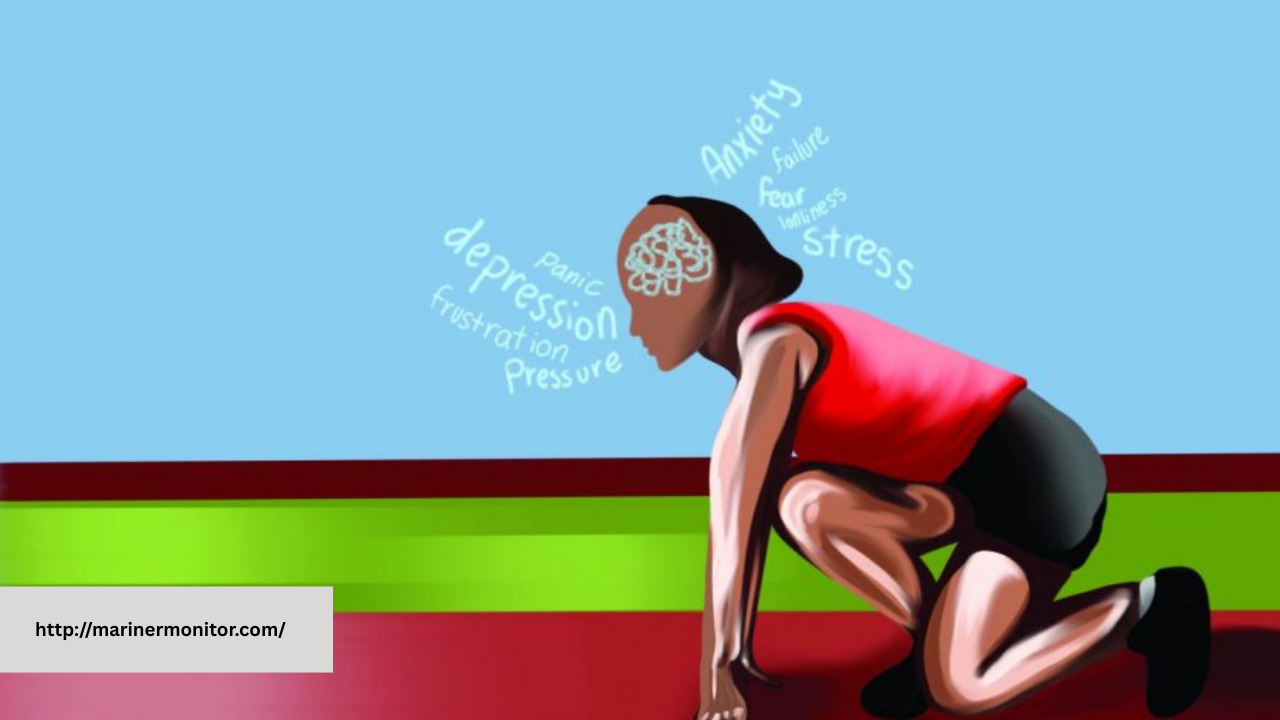
Obsessed with the Outcome: How Sports Addiction Affects Mental Health

For many people, following a favorite team or athlete is a source of joy and community. Cheering during a close game, celebrating a victory, or even mourning a loss can feel like a meaningful part of life. But when the outcome of sports begins to dictate emotions, influence relationships, or interfere with daily responsibilities, what was once a passion can become a harmful obsession. Sports addiction is a very real behavioral issue, and its impact on mental health can be just as profound as other forms of addiction.

Understanding Sports Addiction

Sports addiction occurs when an individual’s involvement with sports, whether watching, betting, or obsessing over statistics, begins to dominate their life. Unlike healthy fandom, which enriches experiences and fosters connection, this pattern creates dependency. The brain becomes conditioned to crave the highs of victory and the adrenaline of competition, while struggling to cope with the lows. Over time, this cycle can cause stress, anxiety, and emotional instability.

The Connection Between Sports Addiction and Mental Health

Emotional Volatility

Fans who are overly invested in outcomes often experience extreme mood swings. A win might create euphoria, while a loss can bring irritability, anger, or even depressive symptoms. This emotional rollercoaster can take a toll on mental well-being, leaving individuals drained and unbalanced.

Increased Stress and Anxiety

Constantly monitoring games, stats, and updates can heighten stress levels. The pressure to keep up with every detail, combined with the fear of missing out, can contribute to chronic anxiety. In some cases, individuals may begin to neglect work, school, or relationships to stay focused on sports.

Risk of Gambling Addiction

Sports addiction often overlaps with gambling behaviors. Betting on games may start as a casual activity but can escalate into a compulsive habit that fuels financial stress and deepens emotional struggles. The unpredictable nature of sports outcomes creates a cycle of risk and reward that is difficult to break.

Warning Signs to Watch For

Recognizing the difference between passion and problem is essential. Some warning signs include:

  • Prioritizing sports over family, work, or personal responsibilities
  • Extreme emotional reactions to wins or losses
  • Frequent gambling or financial strain related to sports
  • Withdrawal from social events unrelated to athletics
  • Feeling irritable or restless during the off-season

Finding Balance and Seeking Support

A healthy relationship with sports means enjoying the game without letting it control your well-being. Setting boundaries on time spent watching or betting, engaging in non-sports hobbies, and reconnecting with loved ones are valuable first steps. But when sports addiction has already disrupted life significantly, professional help can make all the difference.

At Mariner Monitor, we understand that every journey with addiction is unique. Our inpatient and outpatient programs are designed to address not only the symptoms of sports addiction but also the underlying emotional and spiritual needs. Through holistic and faith-based approaches, combined with individualized treatment plans, we help clients rediscover balance, build healthier coping skills, and restore joy in their lives.

Taking the First Step Toward Healing

Sports can inspire, motivate, and connect us. But when the outcome of a game starts to determine mental health and daily stability, it may be time to seek help. Recovery is not about losing your love for sports. It is about learning how to enjoy them without sacrificing your well-being. If you or someone you love is struggling with sports addiction, Mariner Monitor is here to walk alongside you on the path to healing. Reach out today and take the first step toward a healthier, more balanced future.

For many people, following a favorite team or athlete is a source of joy and community. Cheering during a close game, celebrating a victory, or even mourning a loss can feel like a meaningful part of life. But when the outcome of sports begins to dictate emotions, influence relationships, or interfere with daily responsibilities, what was once a passion can become a harmful obsession. Sports addiction is a very real behavioral issue, and its impact on mental health can be just as profound as other forms of addiction.

Understanding Sports Addiction

Sports addiction occurs when an individual’s involvement with sports, whether watching, betting, or obsessing over statistics, begins to dominate their life. Unlike healthy fandom, which enriches experiences and fosters connection, this pattern creates dependency. The brain becomes conditioned to crave the highs of victory and the adrenaline of competition, while struggling to cope with the lows. Over time, this cycle can cause stress, anxiety, and emotional instability.

The Connection Between Sports Addiction and Mental Health

Emotional Volatility

Fans who are overly invested in outcomes often experience extreme mood swings. A win might create euphoria, while a loss can bring irritability, anger, or even depressive symptoms. This emotional rollercoaster can take a toll on mental well-being, leaving individuals drained and unbalanced.

Increased Stress and Anxiety

Constantly monitoring games, stats, and updates can heighten stress levels. The pressure to keep up with every detail, combined with the fear of missing out, can contribute to chronic anxiety. In some cases, individuals may begin to neglect work, school, or relationships to stay focused on sports.

Risk of Gambling Addiction

Sports addiction often overlaps with gambling behaviors. Betting on games may start as a casual activity but can escalate into a compulsive habit that fuels financial stress and deepens emotional struggles. The unpredictable nature of sports outcomes creates a cycle of risk and reward that is difficult to break.

Warning Signs to Watch For

Recognizing the difference between passion and problem is essential. Some warning signs include:

  • Prioritizing sports over family, work, or personal responsibilities
  • Extreme emotional reactions to wins or losses
  • Frequent gambling or financial strain related to sports
  • Withdrawal from social events unrelated to athletics
  • Feeling irritable or restless during the off-season

Finding Balance and Seeking Support

A healthy relationship with sports means enjoying the game without letting it control your well-being. Setting boundaries on time spent watching or betting, engaging in non-sports hobbies, and reconnecting with loved ones are valuable first steps. But when sports addiction has already disrupted life significantly, professional help can make all the difference.

At Mariner Monitor, we understand that every journey with addiction is unique. Our inpatient and outpatient programs are designed to address not only the symptoms of sports addiction but also the underlying emotional and spiritual needs. Through holistic and faith-based approaches, combined with individualized treatment plans, we help clients rediscover balance, build healthier coping skills, and restore joy in their lives.

Taking the First Step Toward Healing

Sports can inspire, motivate, and connect us. But when the outcome of a game starts to determine mental health and daily stability, it may be time to seek help. Recovery is not about losing your love for sports. It is about learning how to enjoy them without sacrificing your well-being. If you or someone you love is struggling with sports addiction, Mariner Monitor is here to walk alongside you on the path to healing. Reach out today and take the first step toward a healthier, more balanced future.

When Cheering Turns Compulsive: The Dark Side of Sports Fandom

Sports can bring joy, unity, and a sense of belonging. Cheering for a favorite team or player can be a healthy way to connect with others and relieve stress. But for some, this passion can gradually transform into an unhealthy compulsion. When sports become the central focus of daily life at the expense of mental health, relationships, and personal responsibilities, it may signal the presence of a behavioral addiction.

Understanding When Fandom Becomes Harmful

Healthy sports fandom enhances life. It provides entertainment, strengthens community bonds, and inspires teamwork and perseverance. However, when the emotional highs and lows of sports start to dictate mood, influence financial decisions, or disrupt daily responsibilities, the balance is lost. This shift from passion to compulsion can mirror patterns seen in other forms of addiction, including substance use.

The Emotional High and the Cycle of Dependence

Winning moments deliver powerful emotional rewards. A thrilling victory can trigger the brain’s pleasure center, creating a rush of dopamine that feels uplifting. The problem arises when individuals begin chasing that emotional high repeatedly. Over time, they may find themselves prioritizing games over work, family, and personal growth. Losses, on the other hand, can lead to irritability, depression, or withdrawal from non-sports activities.

Common Warning Signs

Recognizing the early signs of sports addiction is critical for intervention. Some of these include:

  • Spending excessive time watching, discussing, or researching sports.
  • Missing important events or neglecting work responsibilities for games.
  • Experiencing extreme mood swings based on a team’s performance.
  • Engaging in risky sports betting or gambling that causes financial strain.
  • Withdrawing from non-sports social activities.

The Mental Health Impact

Sports addiction can take a toll on mental and emotional well-being. The constant cycle of anticipation, victory, and defeat can increase anxiety and stress. It can also contribute to feelings of emptiness during off-seasons or after major losses. Over time, relationships may suffer as friends and family feel sidelined in favor of sports.

For individuals already managing mental health conditions like depression or anxiety, compulsive sports fandom can intensify symptoms. Without intervention, this can lead to isolation and an overall decline in quality of life.

Finding a Healthier Balance

Recovery begins with self-awareness. Setting limits on sports consumption, exploring hobbies outside of athletics, and reconnecting with loved ones are important first steps. Professional help can provide structured support. Counseling, both individual and group-based, offers tools to break compulsive patterns. Faith-based and holistic approaches can address the deeper emotional and spiritual needs tied to addiction.

At Mariner Monitor, we understand that behavioral addictions are just as real and disruptive as substance-based ones. Our compassionate, client-centered programs offer both inpatient and outpatient care, tailored to each individual’s needs. We focus on restoring balance through a combination of evidence-based therapies, holistic wellness practices, and faith-guided support.

Take the First Step Toward Recovery

If sports have shifted from a joyful pastime to an unhealthy fixation, it is never too late to regain control. Help is available, and healing is possible. Reach out today to begin the journey toward a balanced, fulfilling life where sports are part of the picture, not the whole story.

From Fan to Fixation: Recognizing the Warning Signs of Sports Addiction

For many, sports are more than just a game—they are a source of pride, excitement, and emotional connection. Being a devoted fan can bring community, joy, and even purpose. But when the thrill of cheering for a team starts to interfere with everyday life, it may signal a deeper issue: sports addiction. Understanding the difference between passion and obsession is key to maintaining a healthy relationship with sports.

What Is Sports Addiction?

Sports addiction is a behavioral condition where a person becomes excessively involved in watching, discussing, or engaging with sports to the point that it disrupts their daily life. This fixation can manifest in various ways—such as compulsive game-watching, emotional dependence on outcomes, constant gambling, or neglect of responsibilities. It’s not the love for the game that becomes problematic, but the loss of balance and control that often follows.

The Slippery Slope from Fan to Fanatic

What begins as harmless enthusiasm can slowly transform into an all-consuming habit. The dopamine rush associated with wins, the adrenaline of game-day tension, and the identity tied to team loyalty can become addictive. As with other forms of behavioral addiction, the brain begins to crave these emotional highs, and fans may prioritize them over real-life obligations and relationships.

Key Warning Signs of Sports Addiction

Recognizing the early signs of sports addiction can help prevent long-term consequences. Here are some red flags to watch for:

  • Emotional Volatility: Extreme mood swings based on game outcomes, such as depression after a loss or euphoria after a win, can indicate over-investment.
  • Neglecting Responsibilities: Missing work, neglecting family duties, or avoiding important tasks in favor of watching or discussing sports is a major warning sign.
  • Relationship Strain: Conflict with loved ones over time spent on sports or emotional reactions to games may signal an unhealthy attachment.
  • Compulsive Gambling: Frequent or risky sports betting, especially when it causes financial stress or secrecy, is a clear danger.
  • Loss of Interest in Other Activities: When hobbies, social events, or non-sports conversations no longer bring satisfaction, and everything revolves around the next game.
  • Denial or Defensiveness: Becoming defensive when others express concern about sports habits is often a sign of deeper dependency.

The Mental Health Connection

Sports addiction can lead to anxiety, depression, irritability, and low self-esteem—especially when tied too closely to a team’s performance. The emotional rollercoaster of wins and losses can feel exhilarating at first, but over time, it can drain mental and emotional resources.

Finding a Healthy Balance

Reclaiming balance starts with honest self-reflection. Fans should ask themselves: “Is this enhancing my life, or consuming it?” Setting limits on screen time, taking breaks during off-seasons, exploring other interests, and engaging in non-sports social activities can all help restore harmony.

In cases where sports obsession causes significant distress or disruption, seeking help from a counselor or support group can be life-changing. Loving sports doesn’t have to mean losing yourself. Recognizing the warning signs early ensures that your passion remains a positive part of your life—not a harmful fixation.

Hooked on the Game: When Sports Passion Becomes a Problem

Sports are a universal language of excitement, competition, and community. For many fans, following a favorite team or athlete is a beloved pastime, creating moments of joy, camaraderie, and emotional connection. However, there is a fine line between healthy enthusiasm and an unhealthy obsession. When sports passion becomes a problem, it can impact mental health, relationships, and overall life balance.

The Joy of Sports Fandom

At its best, sports fandom provides an outlet for emotional expression and social bonding. Fans find pride in their team’s victories and unity in shared support. Attending games, discussing strategies, and celebrating wins can be uplifting, creating lasting memories with friends and family. In moderation, this kind of engagement enriches life and fosters a sense of belonging.

When Passion Turns to Obsession

Problems arise when sports begin to dominate one’s life. What starts as a hobby can spiral into compulsive behavior, where every waking moment revolves around game schedules, scores, statistics, and sports commentary. This shift often happens gradually, making it difficult for individuals to recognize when their passion has become a problem.

Some warning signs of unhealthy sports obsession include:

  • Emotional Dependence on Outcomes: When a team’s success or failure dictates personal mood for days or weeks, emotional well-being is tied too closely to the game.
  • Neglected Responsibilities: Missing work, neglecting family, or abandoning other interests to prioritize sports is a sign of imbalance.
  • Financial Strain: Excessive spending on tickets, merchandise, fantasy leagues, or sports betting can lead to debt or financial hardship.
  • Social Isolation: Overcommitting to sports can cause fans to distance themselves from non-sports-related social activities, straining relationships.
  • Aggressive Behavior: Heated arguments or hostility over sports rivalries can damage friendships and escalate conflicts.

The Psychology of Sports Addiction

Several psychological factors contribute to sports addiction. The excitement of a win triggers the brain’s reward system, releasing dopamine—the same chemical involved in other forms of addiction. This “high” can become something fans chase repeatedly, leading to compulsive engagement. Sports also provide a sense of identity and belonging, which makes the attachment even stronger.

Additionally, the media’s 24/7 coverage of games, player news, and fantasy leagues fuels constant consumption, reinforcing the cycle of obsession. Sports betting, now more accessible than ever, further complicates the issue by adding financial risk and addiction potential.

Finding Balance

To avoid crossing the line from passion to problem, it’s important to establish boundaries. Fans should set limits on the time and money they spend on sports and ensure other aspects of life—relationships, work, and personal growth—receive equal attention. Engaging in hobbies outside of sports, practicing mindfulness, and prioritizing mental health can help maintain a healthy balance.

If sports obsession begins to interfere with daily life, seeking support from a trusted friend, family member, or mental health professional can provide guidance. Sports should enhance life, not control it. Recognizing when the game has taken over is the first step toward regaining balance and enjoying sports in a way that’s sustainable and enriching.

Breaking Free from the Bleachers: Overcoming an Unhealthy Sports Fixation

For countless fans, sports provide excitement, connection, and a sense of community. Game days are a cherished ritual, and supporting a team can be a powerful source of identity and pride. However, when this admiration crosses into obsession, it can become a barrier to a balanced and fulfilling life. Breaking free from an unhealthy sports fixation is not about abandoning a passion, but about regaining control and restoring personal well-being.

Understanding the Obsession

An unhealthy sports fixation can manifest in various ways—compulsive watching, emotional instability tied to team outcomes, excessive gambling, or neglect of personal responsibilities. While deeply investing in a team might seem harmless, it becomes problematic when it disrupts daily life, affects relationships, or replaces other meaningful pursuits.

This level of attachment often stems from a need for identity, belonging, or escape. The constant engagement with sports offers emotional highs and a sense of purpose, but it also creates dependency that can cloud judgment and reduce life satisfaction.

The Consequences of Fixation

Obsessive sports fandom can have significant consequences:

  • Mental Health Struggles: Mood swings, anxiety, and depression linked to team performance.
  • Relationship Strain: Conflict with partners, friends, or family over priorities and time commitments.
  • Neglected Responsibilities: Underperformance at work or school due to preoccupation with sports.
  • Financial Issues: Excessive spending on tickets, merchandise, betting, or streaming services.
  • Social Isolation: Limited social interactions outside of sports-related communities.

Steps to Regain Control

Overcoming an unhealthy sports fixation involves both awareness and action. Here are steps to help regain balance:

  1. Acknowledge the Problem – The first step is recognizing that your fandom has become disruptive. Reflect on how it affects your mood, relationships, and responsibilities.
  2. Set Clear Boundaries – Designate specific times for engaging with sports. Avoid watching games during work or family time, and limit the number of hours spent on sports media each day.
  3. Diversify Your Interests – Explore hobbies and activities unrelated to sports. Whether it’s music, art, volunteering, or fitness, expanding your interests reduces dependency and promotes personal growth.
  4. Reconnect with Others – Rebuild relationships that may have been strained or neglected. Engage in meaningful conversations and shared activities outside the realm of sports.
  5. Limit Betting and Spending – Establish a strict budget for sports-related purchases, and avoid gambling if it’s become a harmful habit.
  6. Seek Professional Support – If sports obsession is causing significant emotional or psychological distress, a mental health professional can help you address underlying issues and develop healthier coping mechanisms.

Redefining Your Relationship with Sports

Letting go of an unhealthy fixation doesn’t mean giving up your love for the game. It means redefining your relationship with sports so that it complements rather than controls your life. By setting boundaries, reconnecting with your broader identity, and focusing on well-being, you can continue to enjoy the thrill of the game—this time from a place of balance and clarity.

Breaking free from the bleachers is about stepping into a more empowered version of yourself, where sports are a part of your life—not your entire world.

Betting, Binge-Watching, and Burnout: The Hidden Dangers of Sports Addiction

Sports are a beloved pastime for millions, offering excitement, camaraderie, and entertainment. Whether it’s cheering from the stands, analyzing stats, or watching every game from the couch, sports fandom can be a joyful part of life. However, there’s a darker side that’s often overlooked—when enthusiasm turns into addiction. Betting, binge-watching, and burnout are just a few of the hidden dangers of sports addiction that can silently impact mental, emotional, and financial well-being.

The Allure of Constant Engagement

With the advent of streaming services, social media, fantasy leagues, and online sports betting platforms, fans now have round-the-clock access to sports content. This constant exposure makes it easier than ever for individuals to slip from healthy enjoyment into obsessive behavior. The need to stay updated on every game, statistic, and player move becomes a compulsion, leading to excessive screen time and emotional fatigue.

Betting: A Gateway to Risky Behavior

Sports betting has exploded in popularity with the legalization of online gambling in many regions. For some, placing a wager adds excitement to the game. But for others, it becomes an addictive cycle of risk and reward. The highs of winning and the crushing lows of loss can create a psychological dependency not unlike that seen in gambling addiction.

Financial strain, secrecy, and chasing losses are common warning signs. What starts as a casual bet can quickly spiral into a serious issue, affecting relationships, credit scores, and overall mental health.

Binge-Watching and Emotional Exhaustion

With games broadcast across different time zones and platforms, fans can find themselves watching sports for hours—or even days—on end. This behavior often leads to disrupted sleep, neglect of responsibilities, and social withdrawal. Binge-watching may feel like dedication, but when it interferes with work, health, or family life, it signals a deeper problem.

Emotional burnout is also common. The constant emotional rollercoaster of wins and losses, combined with an overinvestment in team performance, can leave fans feeling drained, anxious, or even depressed.

Burnout and Identity Crisis

When sports become the center of an individual’s identity, any disruption—like an off-season, a losing streak, or personal inability to watch—can result in a feeling of emptiness. This identity overlap leaves little room for personal growth outside of fandom. Over time, the lack of balance can lead to emotional burnout, decreased self-esteem, and even social isolation.

Red Flags to Watch For

  • Compulsive Betting or Gambling
  • Neglect of Responsibilities
  • Increased Anxiety or Depression Linked to Game Outcomes
  • Isolation from Non-Fan Friends and Family
  • Lying About Time or Money Spent on Sports

Restoring Balance

To prevent or address sports addiction, consider:

  • Setting Boundaries: Designate specific times for watching or engaging with sports.
  • Limiting Gambling: Set financial limits or avoid betting altogether.
  • Pursuing Other Interests: Develop hobbies and relationships outside of sports.
  • Seeking Help: Mental health professionals can help break addictive patterns and offer coping strategies.

Sports should enhance life, not consume it. By recognizing the hidden dangers of sports addiction and taking steps toward balance, fans can continue to enjoy the game without losing themselves in it.

Game Day or Every Day? How Sports Obsession Can Impact Mental Health

For many, sports provide a healthy escape, a sense of identity, and a connection to community. Game days bring excitement, traditions, and a chance to come together with others who share the same passion. But when sports fandom extends beyond scheduled matches and begins to dominate daily life, it can become a cause for concern. The line between healthy enthusiasm and obsession is thin, and when crossed, it can significantly impact mental health.

The Rise of 24/7 Sports Culture

The modern sports environment has evolved into a non-stop ecosystem. With constant access to live games, news updates, fantasy leagues, and social media discussions, fans are exposed to sports content around the clock. While this offers greater engagement, it also increases the risk of over-involvement.

For individuals who find themselves constantly refreshing scores, debating online, or prioritizing sports news over personal responsibilities, what once was an enjoyable pastime can turn into an all-consuming habit.

Mental Health Risks of Sports Obsession

  1. Anxiety and Stress – Obsessively tracking team performance can lead to chronic anxiety, especially during high-stakes seasons. Fans may feel a sense of personal pressure and stress over outcomes they cannot control, resulting in emotional exhaustion.
  2. Mood Instability – When emotions are heavily tied to wins and losses, mood swings become common. A loss can lead to feelings of irritability, sadness, or even depressive episodes, while a win offers only temporary relief. This emotional rollercoaster can strain both personal mental health and relationships.
  3. Neglect of Daily Responsibilities – A deep obsession with sports can lead fans to overlook personal and professional obligations. Skipping work, neglecting studies, or avoiding family time to focus on games and analysis are red flags of an unhealthy balance.
  4. Disrupted Sleep and Routine – Late-night games, early updates, and the constant need to stay informed can interfere with sleep and normal routines. Over time, poor sleep and irregular habits contribute to deteriorating mental and physical health.
  5. Social Isolation – While sports can be a social activity, obsessive fandom may result in withdrawal from people who don’t share the same intensity. This can reduce social support networks and increase feelings of loneliness and isolation.

Why Does Obsession Develop?

Sports offer structure, identity, and emotional stimulation. In times of uncertainty or personal hardship, individuals may gravitate toward the predictability and excitement of sports as a coping mechanism. This attachment becomes problematic when it replaces genuine human connection or masks underlying emotional issues.

Media coverage, sports betting, and fantasy leagues also contribute to the pressure to stay constantly engaged, blurring the boundaries between entertainment and dependency.

Finding a Healthy Relationship with Sports

  • Practice Mindful Engagement: Set time limits and avoid letting sports content interfere with essential life responsibilities.
  • Diversify Interests: Engage in activities that foster growth and relaxation outside of sports.
  • Stay Aware of Emotional Cues: Monitor how sports outcomes impact your mood and seek balance when emotional responses become intense.
  • Seek Support if Needed: If sports obsession is causing distress, talking to a mental health professional can provide tools to regain control.

In the end, sports are meant to enrich life, not dominate it. By recognizing when fandom becomes obsession, fans can reclaim balance and preserve both their love of the game and their mental well-being.

Chasing the High of Victory: The Addictive Nature of Sports Fandom

The thrill of a last-second goal, the exhilaration of a championship win, the collective joy shared among fellow supporters—these are moments that sports fans live for. For many, these experiences are memorable highlights in a well-rounded life. But for others, the constant pursuit of these emotional highs can evolve into an addiction, where the desire for victory becomes an overpowering force. Understanding the addictive nature of sports fandom is essential for recognizing when a healthy passion turns into an unhealthy compulsion.

The Dopamine Rush of Winning

When a beloved team wins, fans often experience a chemical rush similar to that felt during other pleasurable activities. This reaction is largely driven by dopamine, a neurotransmitter linked to reward and pleasure. Just like gambling or substance use, the highs from sports victories can create a psychological dependency.

Fans may find themselves constantly chasing the next win, watching games obsessively, and investing more time and emotion than they can afford. The problem arises when the emotional payoff becomes a primary or exclusive source of happiness.

The Cycle of Emotional Peaks and Valleys

Sports are unpredictable. For every thrilling win, there’s often a heartbreaking loss. For addicted fans, these ups and downs mirror the emotional rollercoaster experienced by individuals with behavioral addictions. A victory might bring elation, but a loss can lead to deep disappointment, irritability, or even depression.

This cycle can make it difficult to maintain emotional stability. Fans may also start to view real-life events through the lens of their team’s success or failure, leading to distorted priorities and mood swings that disrupt relationships, work, or academic responsibilities.

Escaping Reality Through Fandom

For some individuals, sports fandom becomes a form of escapism. Life stressors such as work pressure, relationship issues, or personal dissatisfaction may push people to seek refuge in the sports world. The drama, camaraderie, and adrenaline of games provide a temporary distraction from daily struggles.

While occasional escapism can be harmless, relying solely on sports to manage emotional well-being can lead to long-term issues. It can prevent individuals from addressing core challenges in their personal lives, creating a dependency that’s hard to break.

Signs of an Unhealthy Fandom Addiction

Here are some indicators that a love for sports may be turning into an addiction:

  • Mood Dependence: Emotional states fluctuate dramatically based on a team’s performance.
  • Neglected Responsibilities: Personal, professional, or academic obligations are pushed aside in favor of watching games or tracking statistics.
  • Social Isolation: Relationships suffer due to excessive engagement in sports.
  • Financial Strain: Spending irresponsibly on tickets, merchandise, or betting.
  • Compulsive Behavior: Feeling compelled to watch every game or engage in constant sports-related activities regardless of consequences.

Finding a Healthy Balance

To avoid falling into the trap of sports addiction, it’s important to maintain balance. Fans can:

  • Set Time Limits: Allocate specific periods for engaging with sports content.
  • Diversify Activities: Explore interests outside of the sports world to broaden emotional outlets.
  • Reflect on Motivations: Ask whether sports fandom is enriching life or becoming a coping mechanism.
  • Seek Support: Talk to friends, family, or mental health professionals if the behavior feels unmanageable.

Sports are meant to bring joy and connection, not stress and dependency. Recognizing the addictive nature of fandom helps ensure that the passion for the game stays a positive and fulfilling part of life.

From Superfan to Fanatic: When Love for a Team Becomes a Problem

For millions of people, cheering on a favorite sports team is more than just a hobby — it’s a passion, a tradition, and sometimes even a way of life. From decorating homes in team colors to traveling across the country for games, superfans demonstrate a deep loyalty and enthusiasm that adds vibrancy to the sports world. However, when passion becomes obsession, even the most spirited fandom can cross into dangerous territory. Understanding when love for a team becomes a problem is crucial for maintaining a healthy relationship with sports.

The Joy of Being a Superfan

Being a superfan often provides a sense of identity and community. Sporting a jersey, attending games, and participating in fan discussions can foster strong social bonds and create lasting memories. Supporting a team through its ups and downs can build resilience and bring a sense of belonging to something larger than oneself. Many people derive positive emotional benefits from their dedication, experiencing joy, excitement, and camaraderie with other fans.

In moderation, this level of involvement can enhance personal well-being. However, problems arise when the enthusiasm for a team starts to overshadow other important aspects of life.

When Superfandom Turns Into Fanaticism

The transition from passionate fan to unhealthy fanatic can happen gradually. Key warning signs include:

  1. Emotional Extremes — Allowing a team’s success or failure to dictate personal moods, leading to intense anger, sadness, or euphoria based solely on game outcomes.
  2. Neglecting Responsibilities — Missing work, skipping school, or ignoring family obligations to watch games, attend events, or engage in sports discussions.
  3. Financial Overreach — Spending excessively on tickets, merchandise, travel, and memorabilia, even at the expense of essential needs.
  4. Social Isolation — Prioritizing sports fandom over maintaining relationships with friends and family who may not share the same level of enthusiasm.
  5. Aggressive Behavior — Engaging in heated arguments, verbal abuse, or even physical altercations over team rivalries or game outcomes.
  6. Identity Overlap — When an individual’s entire self-worth and identity become tied to their team’s performance, it can lead to emotional instability and a distorted sense of self.

The Psychological Drivers of Extreme Fandom

Several psychological factors can fuel an unhealthy attachment to a team. The sense of belonging to a larger community, the thrill of competition, and the emotional highs of winning can create addictive patterns similar to those seen in gambling or substance abuse. The media and commercialization of sports, with 24/7 coverage and targeted marketing, further reinforce constant engagement.

Moreover, team allegiance often begins in childhood, making it deeply ingrained in personal identity. When life circumstances become stressful or unfulfilling, individuals may cling even more tightly to sports fandom as a source of control and meaning.

Maintaining a Healthy Balance

Recognizing the difference between passionate support and unhealthy obsession is key to maintaining a positive relationship with sports. Strategies for balance include:

  • Setting Limits — Designate specific times for engaging in sports-related activities.
  • Diversifying Interests — Pursue hobbies and social activities unrelated to sports.
  • Monitoring Emotional Reactions — Be aware of mood shifts tied to sports outcomes and seek healthier ways to manage emotions.
  • Seeking Help if Needed — If sports obsession begins to cause distress, consulting a mental health professional can be beneficial.

Sports should enhance life, not dominate it. By maintaining a balanced approach, superfans can continue to celebrate their teams while ensuring that their passion remains a source of joy rather than a source of stress.


When the Game Takes Over: The Psychological Impact of Sports Addiction

Sports have long served as a powerful outlet for entertainment, identity, and social connection. From cheering on hometown heroes to analyzing every play of a favorite team, fans find joy, pride, and belonging in the world of sports. However, for some individuals, what starts as harmless enthusiasm can evolve into an unhealthy dependency—commonly referred to as sports addiction. This form of behavioral addiction can significantly affect mental health and disrupt everyday life, relationships, and emotional stability.

Understanding Sports Addiction

Sports addiction is not officially classified as a mental health disorder, but it shares key characteristics with other behavioral addictions, such as compulsive gambling or internet addiction. It involves an excessive preoccupation with sports-related activities—watching games, discussing teams, participating in fantasy leagues, or even betting—that begins to interfere with personal responsibilities, work, and relationships.

People with sports addiction often rely on the emotional highs and lows of sports to regulate their mood. Wins bring euphoria, while losses can lead to depression, irritability, or even aggression. Over time, this cycle can contribute to chronic stress and poor emotional regulation.

Psychological Effects of Sports Addiction

  1. Emotional Volatility – A major psychological impact of sports addiction is the development of emotional instability. Fans may experience extreme mood swings based on their team’s performance. These reactions aren’t simply disappointment or excitement—they can manifest as deep sadness, rage, or anxiety that affects overall mental health.
  2. Obsessive Thinking – Individuals struggling with sports addiction may find themselves constantly thinking about sports—whether it’s stats, upcoming games, or team gossip. This obsessive behavior can interfere with concentration and productivity, especially in professional or academic settings.
  3. Escapism and Avoidance – For some, sports serve as a coping mechanism to escape real-life stressors such as loneliness, anxiety, or low self-esteem. Instead of addressing life’s challenges, individuals immerse themselves in the world of sports, often to their own detriment.
  4. Social Isolation – While sports can foster connection, addiction can have the opposite effect. Fans might prioritize games over family events, avoid social outings that conflict with game times, or alienate loved ones with their one-track obsession. Over time, this can lead to loneliness and strained relationships.
  5. Anxiety and Depression – Constant exposure to the emotional rollercoaster of sports—coupled with an overreliance on game outcomes for happiness—can contribute to chronic anxiety and depression. The inability to detach from sports means that fans have fewer outlets to process disappointment or setbacks.

Finding Balance

Recognizing the signs of sports addiction is the first step toward recovery. Strategies to manage this issue include:

  • Limiting Screen Time – Set boundaries for how much time is spent watching or reading about sports each day.
  • Pursuing Other Interests – Diversify hobbies and invest in activities unrelated to sports, such as art, volunteering, or travel.
  • Seeking Support – Talking with friends, family, or a mental health professional can help address underlying issues and develop healthier coping mechanisms.
  • Mindfulness Practices – Meditation, journaling, or therapy can help individuals gain insight into their emotional triggers and build resilience.

Ultimately, sports are meant to enrich life—not consume it. Understanding the psychological impact of sports addiction and taking steps to create a healthier balance can restore joy, clarity, and well-being.