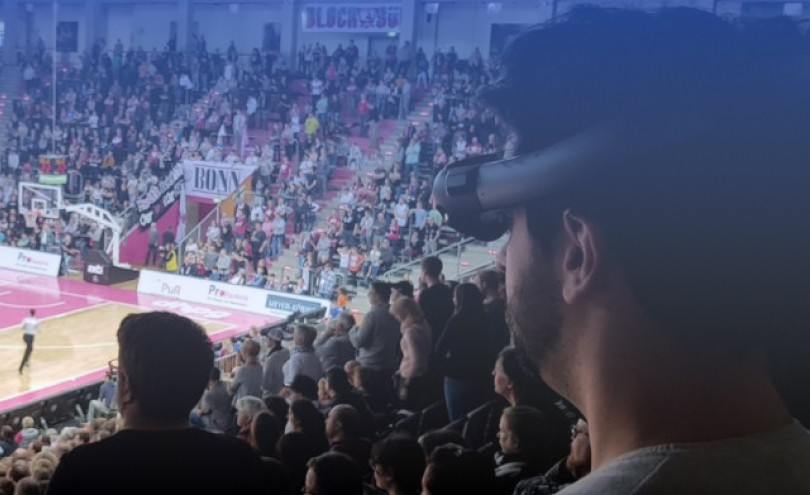
For many fans, sports are more than just games. They are sources of excitement, community, and identity. Cheering for a favorite team can create joy, foster connections, and provide a healthy escape from daily stress. However, when enthusiasm turns into compulsion, it can take a toll on mental and emotional health. Sports addiction is a hidden issue that affects mood, behavior, and overall well-being, often without fans even realizing it. Understanding the emotional risks of excessive fandom is the first step toward maintaining balance and protecting mental health.
What Is Sports Addiction?
Sports addiction is a behavioral pattern where a person’s emotional well-being becomes closely tied to the outcome of games or the performance of a team. Unlike casual fandom, obsessive engagement can interfere with daily responsibilities, relationships, and personal growth. Fans may find themselves chasing the highs of victories and struggling with the lows of defeats, creating cycles of emotional dependency.
How Obsession Forms
The psychology behind sports addiction involves the brain’s reward system. Exciting plays, game-changing moments, and wins release dopamine, the chemical linked to pleasure and motivation. Over time, fans may seek this emotional “high” repeatedly, reinforcing compulsive behaviors. Social factors, such as peer pressure, online discussions, and fan communities, can further intensify this attachment.
Emotional Risks of Compulsive Fandom
Heightened Anxiety
Fans with obsessive tendencies may experience constant worry about upcoming games or results. Anxiety can arise not only during matches but also in anticipation of events, affecting concentration and daily functioning.
Emotional Volatility
Extreme highs and lows are common. Victories may trigger euphoria, while losses can lead to irritability, sadness, or anger. These mood swings can become disruptive to both personal and professional life.
Strained Relationships
Compulsive fandom can lead to conflicts with family, friends, or partners. Prioritizing games over relationships may result in social isolation or tension, leaving fans feeling disconnected from those around them.
Burnout and Fatigue
Late nights, constant game tracking, and continuous engagement with sports media can contribute to mental exhaustion. Chronic exposure to emotional highs and lows may lead to burnout, making it harder to enjoy activities outside of sports.
Protecting Mental Health While Enjoying Sports
Set Healthy Boundaries
Schedule time for games, but also make space for family, work, and personal hobbies. Limiting screen time and taking breaks from social media can reduce compulsive behaviors.
Diversify Interests
Engage in activities that provide fulfillment outside of sports. Hobbies, volunteering, fitness, and creative pursuits help shift focus and reduce emotional dependence on outcomes.
Seek Professional Support
When emotional dependence becomes overwhelming, professional guidance is critical. At Mariner Monitor, our individualized care programs combine mental health treatment, holistic approaches, and faith-based support. Both inpatient and outpatient services help clients address compulsive behaviors, rebuild emotional stability, and regain balance.
Taking the First Step Toward Recovery
Sports are meant to bring joy, not emotional turmoil. Recognizing the signs of sports addiction early and taking steps to address them can prevent long-term consequences for mental health and relationships. At Mariner Monitor, our compassionate team provides the tools, guidance, and support needed to transform compulsive fandom into a balanced, fulfilling lifestyle. Contact us today to begin your journey toward emotional wellness and a healthier connection to the games you love.